
How Daily Affirmations Can Help Manage Anxiety and Stress

Understanding the Power of Affirmations
Anxiety and stress have become widespread issues in modern society, affecting millions of people across the United States. As we navigate through demanding work schedules, personal responsibilities, and social pressures, finding effective ways to cope is essential. One intriguing method gaining popularity is the use of daily affirmations.
Daily affirmations are positive statements designed to counteract negative thoughts and self-doubt. They act as a mental exercise to shift the mindset towards positivity and self-acceptance. By embodying this practice, individuals can gradually rewire their thinking patterns, allowing for a healthier mental environment. The transformative nature of affirmations works on the principle of neuroplasticity, where the brain’s connections can be reshaped by thoughts and repeated behaviors.
The benefits of incorporating daily affirmations into your life are multifaceted and profound. Here are some key advantages:
- Boosts Self-Confidence: Regular affirmations can lead to significant improvements in self-esteem. For instance, saying “I am capable and confident” each morning can motivate individuals to take on challenges that they might previously have avoided.
- Reduces Negative Thoughts: Affirmations serve as a countermeasure to pervasive negative thinking. By replacing harmful thoughts with positive ones, genuine self-worth can begin to blossom. Consider affirming “I am worthy of love and success” daily to combat feelings of inadequacy.
- Promotes a Positive Outlook: Affirmations encourage a hopeful perspective on life, helping individuals to focus on their strengths rather than their weaknesses. Declaring “I have the power to create change” can instill a sense of agency.
Moreover, numerous studies have shown a perplexing connection between positive affirmations and diminished levels of stress. For example, a study conducted by researchers at the University of California indicated that participants who engaged in self-affirmation exercises reported lower stress levels when faced with challenging tasks compared to those who did not. This discovery highlights how the act of affirming one’s values can lead to an increased sense of control and reduced feelings of being overwhelmed.
As we explore the intricacies of how daily affirmations work, it becomes clear that this practice can offer a lifeline to those battling anxiety. Not only can affirmations facilitate self-improvement, but they also cultivate a nurturing inner dialogue that can alleviate mental distress. In a society where pressure and expectations often lead to an unhealthy emotional state, affirmations can act as a stabilizing force.
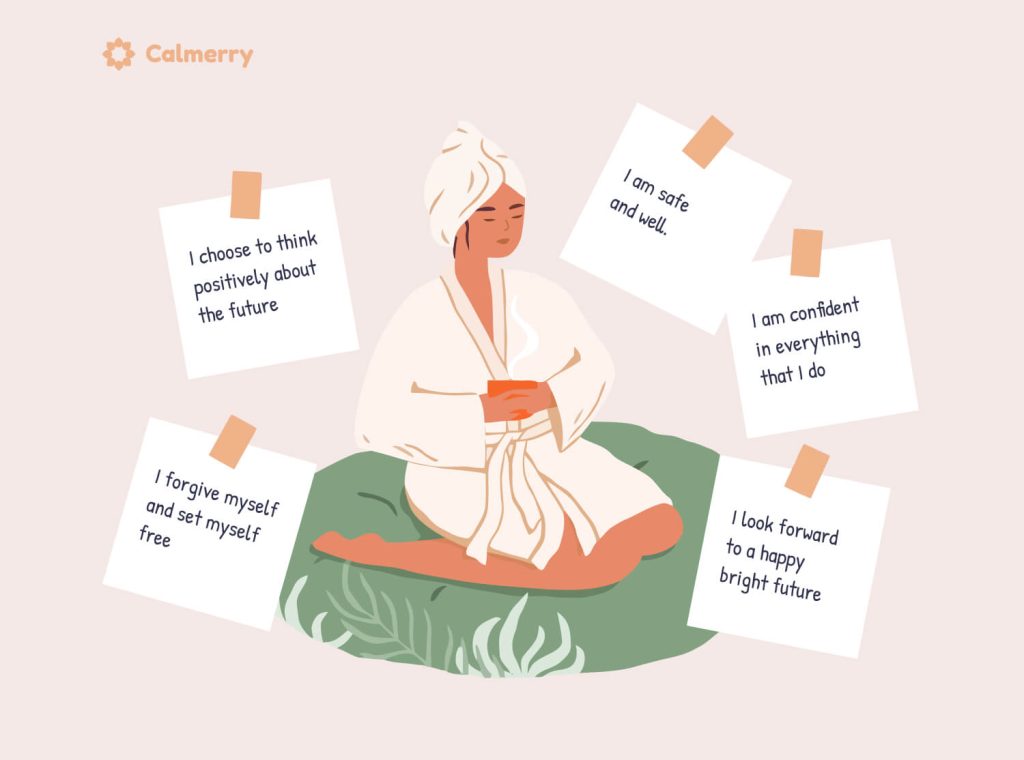
The journey into the world of daily affirmations calls for an open mind and a commitment to self-exploration. As an accessible tool for enhancing mental well-being, engaging with affirmations could be the first step toward reclaiming peace in our increasingly chaotic lives. For those interested in exploring more about how to construct personalized affirmations, resources are abundant, and starting this empowering practice may lead to profound transformations in life’s daily struggles.
The Science Behind Affirmations and Mental Well-Being
In understanding how daily affirmations can assist in managing anxiety and stress, it is essential to delve into the scientific foundations that underpin their effectiveness. Affirmations are not mere platitudes; they have roots in psychological research that highlights their capacity to influence brain structure and function. When individuals reaffirm their worth and capabilities, they stimulate neural pathways associated with positive emotions, thereby enhancing their emotional resilience.
One powerful concept that connects daily affirmations to anxiety management is the idea of cognitive restructuring. This process involves identifying and challenging negative thought patterns to replace them with more constructive viewpoints. By engaging in daily affirmations, individuals actively participate in this restructuring, gradually diminishing the power of anxiety-inducing thoughts. For instance, proclaiming “I am equipped to handle anything that comes my way” can instill a sense of confidence when faced with daunting tasks, decreasing anxious feelings.
Moreover, affirmations can serve as a grounding technique during stressful moments. When anxiety arises, practicing a short affirmation such as “I am safe and in control” can help ground individuals and provide immediate relief from overwhelming thoughts. This practice encourages mindfulness, which has been shown to combat anxiety. When people focus on their affirmations, they redirect their attention from the chaos of negative spirals to a place of calm determination.
Another noteworthy aspect of daily affirmations is their association with the stress-reduction response. Research has demonstrated that individuals who use affirmations not only report feeling less stressed but show lower levels of the stress hormone cortisol. This reduction in cortisol can lead to a cascade of benefits, including improved mood, better sleep, and enhanced overall well-being. For instance, a study published in the journal *Psychological Science* found that chronic stress levels decreased significantly after participants engaged in self-affirmation exercises, leading to greater calmness in challenging situations.
To harness the full potential of affirmations, it is vital to tailor them to individual experiences and challenges. Personalized affirmations resonate more deeply than generic phrases, allowing users to connect them with their unique stressors. Some encouraging affirmations specifically designed to manage anxiety might include:
- I am worthy of peace and tranquility.
- I choose to focus on the present moment.
- I can embrace uncertainty with grace.
These tailored affirmations serve as powerful reminders of one’s strength and capacity to navigate stress effectively. As individuals repeat these phrases, they not only reinforce a positive self-image but also create a supportive environment in which their mental health can flourish. Utilizing daily affirmations is akin to providing oneself a daily dose of encouragement in the face of life’s inevitable challenges, fuelled by the transformative power of words.
| Category | Details |
|---|---|
| Empowerment | Daily affirmations foster a sense of self-empowerment, helping individuals believe in their ability to conquer challenges. |
| Mindfulness | Incorporating affirmations into daily routines promotes mindfulness by encouraging individuals to focus on present thoughts, making them less susceptible to anxiety triggers. |
| Optimism | Affirmations encourage developing an optimistic mindset, allowing individuals to reframe negative thoughts and see challenges from a positive perspective. |
| Reduced Stress | Regular practice has been linked to lower stress levels, as affirmations create a buffer against self-doubt and anxiety. |
Daily affirmations present a structured method to manage anxiety and stress, transitioning individuals toward a peaceful state of mind. The simple act of speaking positive statements can have profound effects on mental health, bolstering resilience against daily stressors. By endorsing self-empowerment and mindfulness, the routine of affirmations offers tools that are accessible and transformative. As studies continue to reveal the psychological advantages of positive affirmations, incorporating this practice may prove essential in enhancing overall well-being. Exploring further into how these techniques integrate with meditation or therapeutic practices could unveil additional benefits, creating a more substantial foundation for mental health management.
Integrating Affirmations into Everyday Life
While the psychological benefits of daily affirmations are compelling, understanding how to effectively integrate them into one’s routine is equally crucial. Establishing a consistent practice ensures that affirmations become a reliable tool in managing anxiety and stress. By incorporating them into daily activities, individuals can maximize their impact on mental health.
One effective way to incorporate affirmations is through the creation of a morning ritual. Starting the day with a set of affirmations can set a positive tone for the hours ahead. Many people find that verbalizing or writing down affirmations while enjoying their morning coffee or during meditation enhances their effects. This practice aligns with the concept of morning mindfulness, where taking a few moments to focus on positive statements allows individuals to mentally prepare for potential challenges.
Another approach to integrating affirmations involves using technology. Numerous apps and online platforms now offer personalized affirmation reminders that can be set throughout the day. For example, an app might ping users at midday with a gentle nudge like, “I am capable of overcoming obstacles,” reminding them of their strength during work-related stress. This interactive method helps maintain focus on positive self-talk, reinforcing resilience when it is most needed.
In addition to morning practices and digital reminders, involving affirmations in physical activities can also yield significant benefits. Yoga and exercise routines provide an excellent backdrop for affirmations, as the physical exertion can enhance mood and promote relaxation. Phrases like “With every breath, I release my tension” can be echoed during a yoga session or workout, creating a harmonious connection between body and mind. This is particularly effective, as research shows that physical movement can amplify mental well-being, making it an ideal companion for affirmations.
Furthermore, the therapeutic applications of affirmations have gained traction in professional mental health contexts. Therapists often encourage clients to engage in affirmation practices as a way to counteract negative thought patterns frequently triggered by anxiety or stress. By utilizing affirmations, clients learn to foster a more positive inner dialogue, which can be vital in therapy settings aimed at enhancing emotional well-being. A systematic review published in the *Journal of Clinical Psychology* highlighted that integrating affirmations into cognitive-behavioral therapy led to marked improvements in clients’ mood and anxiety management.
One critical aspect of affirmations is the importance of emotional connection. When affirmations carry emotional weight, their impact is magnified. Therefore, individuals should focus on affirmations that resonate with their specific life experiences. For instance, someone coping with job-related anxiety might use affirmations like “I trust my abilities and decisions at work.” By personalizing affirmations, they become more than mere phrases; they transform into a source of empowerment that speaks directly to the individual’s journey.
Moreover, the practice of writing affirmations down in a dedicated journal can enhance their effectiveness. Documenting thoughts helps solidify beliefs and provides a reference point for when anxiety may strike. This tangible reminder serves not only as a record of personal growth but also as a safety net of affirmations during challenging moments.
- Morning affirmations can establish a positive daily mindset.
- Incorporating affirmations in physical activities bolsters mental health.
- Personalized affirmations create deep emotional connections.
The integration of daily affirmations into versatile aspects of life—morning rituals, exercise, and even therapeutic settings—empowers individuals to actively combat anxiety and stress. By recognizing the profound impact of words and creating supportive structures for affirmation practice, people can harness their resilience and light the path toward a more tranquil existence.
Final Thoughts on Daily Affirmations for Anxiety and Stress Management
In conclusion, the practice of daily affirmations emerges as a powerful strategy in the quest for managing anxiety and stress. By employing affirmations, individuals can reshape their thoughts, challenge negative mindsets, and cultivate a sense of self-compassion. This mental shift, rooted in the affirmation of one’s worth and capabilities, paves the way for greater emotional resilience and coping skills in everyday life.
As demonstrated throughout the article, integrating affirmations into daily routines—be it through morning rituals, physical activities like yoga, or technological reminders—creates a consistent framework for fostering a positive mindset. Moreover, the emotional connections formed through personalized affirmations deepen their impact, turning simple phrases into profound declarations that resonate with one’s personal journey.
Given the increasing acknowledgment of mental health’s role in overall well-being, the therapeutic application of affirmations within professional settings is indicative of their efficacy. As research continues to unveil the benefits of this practice, individuals grappling with anxiety and stress are provided with a tangible tool for empowerment. By committing to daily affirmations, you don’t just whisper optimistic phrases; you engage in a vital practice that encourages growth, healing, and a more optimistic outlook on life.
Ultimately, whether through journaling, mindfulness, or verbal declarations, the potential for daily affirmations to transform lives is both inspiring and worthy of exploration. Embrace this practice, and let the power of words be your ally in navigating the complexities of mental health challenges.