
The Impact of Positive Affirmations on Sleep Quality and Stress Reduction

Unlocking the Power of Positive Thinking
In today’s fast-paced world, stress and insufficient sleep are common challenges faced by many individuals. As the pressures of work, family, and social obligations mount, people often find themselves in a relentless quest for effective solutions to enhance their well-being. One intriguing and accessible tool that has emerged in this journey is the concept of positive affirmations. These are simple yet profound statements that can significantly alter your mindset and overall outlook on life.
What Are Positive Affirmations?
- They are concise, positive statements crafted to challenge and transform negative thoughts, helping individuals foster a healthier self-view.
- These affirmations can be personalized to target a variety of specific concerns, with a particular focus on alleviating issues like sleep disturbances and stress management.
- The effectiveness of positive affirmations hinges on the practice of repetition and a genuine belief, paving the way for an enhanced self-image over time.
Research from psychological studies indicates that integrating positive affirmations into one’s evening routine can yield significant benefits. For example, one of the primary advantages is an Improved Sleep Quality. Science suggests that positive statements can clear the mind, reducing the burden of racing thoughts that often plague individuals at night, allowing for deeper and more restorative sleep.
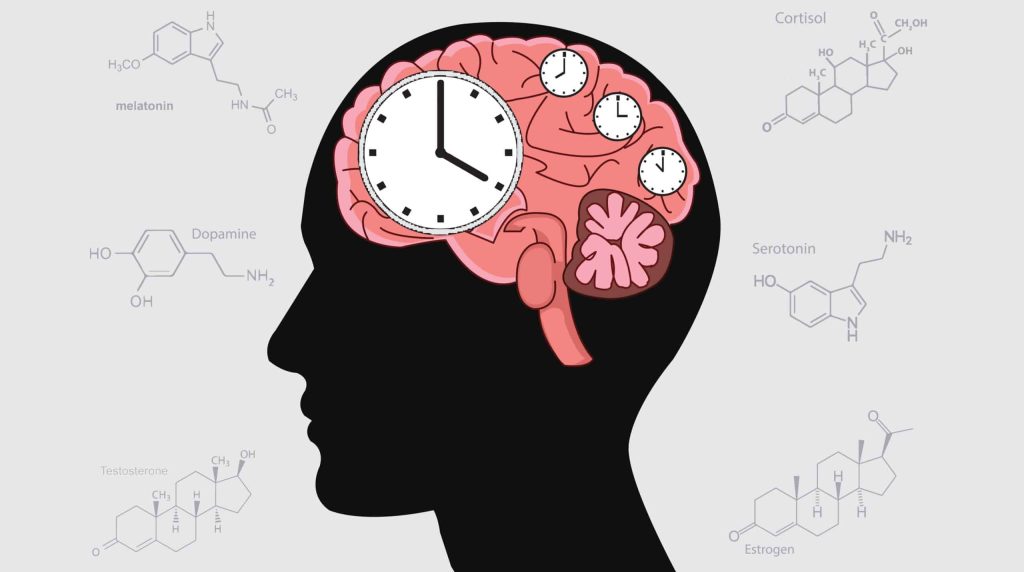
Furthermore, the practice of positive affirmations is linked to Stress Reduction. Regular engagement with affirmations may lower cortisol levels—known as the “stress hormone.” This reduction can lead to better management of anxiety and heightened emotional well-being, helping individuals navigate life’s daily hurdles with greater ease.
Another remarkable benefit is the enhancement of Mental Resilience. By adopting a more positive mindset, individuals can develop greater strength to confront and overcome daily challenges, which often seem insurmountable. This resilience can bolster one’s ability to cope with failures and setbacks, turning obstacles into growth opportunities.
As you embark on the journey of incorporating positive affirmations into your daily life, it’s essential to maintain an open mind. Experiment with different affirmations tailored specifically to your situation and see what resonates with you. This mental shift has the potential to usher in a wave of tranquility and better sleep, marking the beginning of an enriching experience that may very well be just a few well-chosen affirmations away.
The Science Behind Affirmations and Well-Being
Understanding the connection between positive affirmations and their impact on both sleep quality and stress reduction involves delving into the principles of cognitive psychology. This branch of psychology posits that our thoughts significantly influence our feelings and behaviors. Therefore, by consciously altering our negative self-talk through affirmations, we can create a more positive internal dialogue that fosters a sense of calm and well-being.
When practiced regularly, positive affirmations can act as a tool for mental rewiring. The process involves replacing negative beliefs—such as “I can never get a good night’s sleep” or “I am overwhelmed by stress”—with empowering statements like “I am deserving of restful sleep” or “I handle stress with confidence.” This technique does not just improve one’s mindset; evidence shows it can have tangible benefits on physiological responses, including sleep patterns.
The Link Between Affirmations and Sleep
- Reduced Anxiety: Repeating affirmations can lead to a significant decrease in anxiety, which is often a precursor to sleep disturbances. By fostering a sense of safety and self-assurance, individuals can lull their minds into a more peaceful state.
- Mindfulness Practice: Incorporating affirmations encourages mindfulness, an essential practice for sleep hygiene. This awareness can help individuals disconnect from intrusive thoughts that often disrupt their ability to rest.
- Routine Establishment: Integrating affirmations into a nightly ritual can signal the end of the day, preparing the mind for sleep, much like reading a book or meditating before bedtime.
Indeed, studies focusing on the role of positive affirmations in enhancing sleep quality have garnered increasing attention. A study published in the Journal of Clinical Psychology found that individuals who engaged in affirmations for just a few weeks reported improved sleep quality compared to those who did not. These participants experienced not only longer sleep duration but also a greater perception of well-restedness upon waking.
The Role of Affirmations in Reducing Stress
As for stress reduction, the notion of using positive affirmations as a cognitive tool aligns with several health-related benefits. Engaging in this practice has been shown to lower levels of cortisol—the body’s primary stress hormone. When cortisol levels are balanced, individuals are better equipped to face challenges without feeling overwhelmed.
- Increased Self-Esteem: Using affirmations consistently can enhance self-esteem, which is vital for managing stress. A strong sense of self-worth enables individuals to confront issues rather than avoid them, resulting in less anxiety.
- Improved Coping Strategies: Affirmations nurture an optimistic attitude, providing individuals with healthier coping mechanisms, particularly when facing stressors.
- Enhanced Emotional Resilience: Individuals who practice affirmations often develop a stronger ability to recover from setbacks, enabling them to manage day-to-day stressors more effectively.
By recognizing the potential of positive affirmations in the spheres of sleep quality and stress reduction, individuals may discover a simple yet effective method to enhance their mental and emotional well-being. Through the intentional practice of these statements, you might be unlocking a pathway to a more restful night’s sleep and a more peaceful existence amid daily life’s inevitable challenges.
The Impact of Positive Affirmations on Sleep Quality and Stress Reduction
In recent years, there has been growing interest in the relationship between positive affirmations and their profound impact on both sleep quality and mental well-being. Research indicates that the subconscious mind is particularly receptive to affirmations, especially when practiced consistently, leading to significant improvements in stress management and overall tranquility.
One noteworthy aspect is that positive affirmations can create a calming pre-sleep routine. By repeating phrases such as “I am relaxed and ready for sleep” or “I release today’s worries,” individuals can train their minds to transition from a state of anxiety to one of peace, thus facilitating a more restorative sleep cycle. This practice can be especially beneficial for those who experience insomnia or frequent waking during the night.
Moreover, the use of affirmations helps to rewire negative thought patterns that often contribute to heightened stress levels. Studies have shown that when individuals incorporate positive affirmations into their daily habits, they report lower levels of anxiety and a greater sense of control over their thoughts and emotions. This psychological shift not only promotes relaxation but also fosters healthier coping mechanisms when faced with stressors.
As the mind tunes into positivity, it begins to manifest a positive impact on overall health. Many individuals who practice daily affirmations report feeling more empowered and less overwhelmed, translating to enhanced motivation, productivity, and emotional regulation. These benefits collectively contribute to improved sleep quality and a decrease in stress, supporting a healthier lifestyle.
| Advantages of Positive Affirmations | Impacts on Sleep and Stress |
|---|---|
| Enhanced Sleep Quality | Fosters a calm mind, allowing for deeper, more restorative sleep. |
| Reduced Stress Levels | Helps rewire negative thoughts, leading to healthier emotional responses and coping strategies. |
The integration of positive affirmations into daily routines holds the potential to spark significant improvements in mental health, creating a ripple effect that benefits various aspects of life, including one’s sleep and stress levels.
Transformative Practices for Enhanced Sleep and Stress Management
Building on the work of cognitive psychology, the incorporation of positive affirmations extends beyond mere verbal validation; it creates a comprehensive framework for individuals seeking to optimize their sleep quality and alleviate stress. By integrating additional practices and cognitive strategies, users can amplify the effects of affirmations in a more significant way.
Creating a Personalized Affirmation Practice
One of the fundamental aspects of using affirmations effectively is personalizing them. This means constructing affirmations that resonate with your specific circumstances and desires. For example, if someone struggles with insomnia due to racing thoughts, they might use the affirmation, “I release my thoughts and embrace tranquility.” Customization ensures the affirmations reflect genuine feelings and aspirations, which can lead to a deeper emotional response and greater effectiveness.
Visual and Auditory Techniques
- Visualization: Pairing affirmations with visualization techniques can enhance their power. Imagine a peaceful scene, such as a serene beach or a tranquil forest, while repeating your affirmations. This multi-sensory approach deepens engagement and promotes relaxation, making it easier for the mind to transition into sleep.
- Audio Reinforcement: Recording your affirmations and listening to them can create an immersive experience. This auditory form allows the brain to absorb positive messages subconsciously, reinforcing the calming effects throughout the day and especially during pre-sleep routines.
Combining Affirmations with Other Wellness Practices
Integrating positive affirmations into broader wellness practices can create a symbiotic effect, enhancing their impact on both sleep and stress management. Below are some practices that harmonize well with affirmations:
- Yoga and Stretching: Engaging in gentle yoga or stretching exercises while reciting affirmations can help in reducing physical tension, promoting relaxation in both mind and body. This combination cultivates a state conducive to falling asleep faster.
- Breathing Techniques: Techniques such as deep breathing or box breathing allow individuals to center themselves while repeating affirmations. Slow, deliberate breathing activates the parasympathetic nervous system, counteracting stress and anxiety that often derail sleep.
- Gratitude Journaling: Pairing affirmations with gratitude journaling can shift focus from negative thoughts to positive experiences. Writing down things you appreciate every evening fosters a sense of contentment, reducing stress levels and enhancing the ability to rest.
Anecdotal Evidence and Emerging Research
While much of the discussion surrounding positive affirmations remains anchored in psychological theory, anecdotal evidence continues to surface, illustrating the powerful effects of these practices. Numerous individuals report substantial improvements in sleep patterns and stress management after incorporating affirmations into their lives. Online communities and forums have been flooded with testimonials from those who claim that consistent affirmation practice has paved the way to peaceful nights and a more balanced approach to daily stresses.
Emerging research also supports these claims. A study published in the journal Psychological Science indicated that individuals who consistently practiced positive self-affirmation showed a marked decrease in stress-related markers and an overall enhanced sense of well-being. This evidence beckons further exploration, illuminating the potential of affirmations as an accessible self-help tool for mental health.
In navigating the complexities of modern life, the thoughtful practice of positive affirmations, when combined with intentional habits and emerging research, offers a transformative route toward improved sleep quality and reduced stress levels, highlighting their critical role in fostering holistic well-being.
Conclusion: Embracing Positive Affirmations for a Healthier Mind and Body
The exploration of positive affirmations reveals their profound potential in enhancing both sleep quality and stress management. As individuals grapple with the relentless pace of modern life, these simple yet powerful statements serve as an invaluable tool for fostering resilience and emotional well-being. By practicing personalized affirmations that resonate deeply with one’s unique experiences and integrating them into a broader wellness routine, individuals can unlock the transformative effects that encourage restful nights and calmer days.
Research supports the notion that positive affirmations not only improve mood but may also reduce stress-related physiological markers, indicating a clear link between mindset and physical health. The synergy of affirmations with visualization, breathing techniques, and other holistic practices creates a multi-faceted approach to well-being that may resonate with many people. Anecdotal evidence from those who have embraced these techniques emphasizes their practicality and effectiveness, manifesting in improved sleep patterns and reduced anxiety levels.
In the pursuit of better sleep and a more peaceful mindset, it is essential to acknowledge the power of words and thoughts. The consistent use of positive affirmations can bridge the gap between mental strain and relaxation, allowing for a greater sense of control over one’s thoughts and emotions. As research continues to evolve, the impact of positive affirmations on sleep quality and stress reduction will undoubtedly pique the interest of mental health professionals and practitioners alike. The journey towards enhanced well-being is ongoing, and incorporating positive affirmations into daily life holds significant promise for anyone seeking a brighter path to mental clarity and restful sleep.