
The Role of Positive Affirmations in Building Emotional Resilience Against Stress

The Role of Positive Affirmations in Building Emotional Resilience
In today’s fast-paced world, stress has become a common experience for many. With the demands of work, relationships, and personal challenges, building emotional resilience is crucial. One effective tool in this journey is the practice of positive affirmations.
What Are Positive Affirmations?
Positive affirmations are simple yet powerful statements designed to bolster personal beliefs and self-worth. By using these affirmations, individuals can actively challenge negative self-talk that often pervades their thoughts. For example, replacing “I am not good enough” with “I am capable and deserving of success” can create a shift in mindset. Here’s why they matter:
- Boost self-esteem by reinforcing positive beliefs. Individuals who regularly use affirmations often report a stronger sense of self-worth and confidence. For instance, someone pursuing a new job opportunity might remind themselves, “I have valuable skills to offer,” which can help alleviate fears during interviews and networking events.
- Reduce anxiety by fostering a more optimistic outlook. Research suggests that reciting affirmations can decrease feelings of anxiety, enabling individuals to embrace challenges with a constructive mindset. Phrases like “I am calm and capable” can create a serene mental state before stressful situations.
- Enhance focus on personal goals and strengths. By consistently affirming skills and aspirations, such as saying “I am on the path to achieving my dreams,” individuals can maintain a laser-focus on their objectives, thereby enhancing motivation.
Benefits for Stress Management
Utilizing positive affirmations can significantly bolster our ability to manage stress effectively. A growing body of research indicates that practicing these affirmations can lead to:
- Improved coping strategies during challenging times. For instance, athletes often use affirmations to stay grounded and focused during competitions, which can translate into improved performance under pressure.
- Heightened emotional awareness and self-regulation. Regularly speaking affirmations allows individuals to tune into their thoughts and feelings, leading to a better understanding of their emotional triggers. This awareness is essential for crafting effective responses to stress.
- Greater overall well-being and life satisfaction. Studies show that people who practice positive affirmations tend to report higher levels of happiness and fulfillment. The act of affirming positive attributes can foster a sense of contentment and gratitude in everyday life.
As we delve deeper into the intricate relationship between positive affirmations and emotional resilience, we unlock a powerful strategy for not just surviving but thriving amid the stresses of modern life. By incorporating these affirmations into daily routines, individuals can cultivate a mindset resilient to the vicissitudes of life, leading to healthier relationships and greater professional success.
Exploring different types of affirmations—such as those focused on health, success, or relationships—can further enhance personal growth. Experimentation and reflection on what resonates can create a personalized toolkit for emotional resilience. The journey of self-affirmation is ongoing, but the benefits can be profound, promoting a more balanced and fulfilling life.
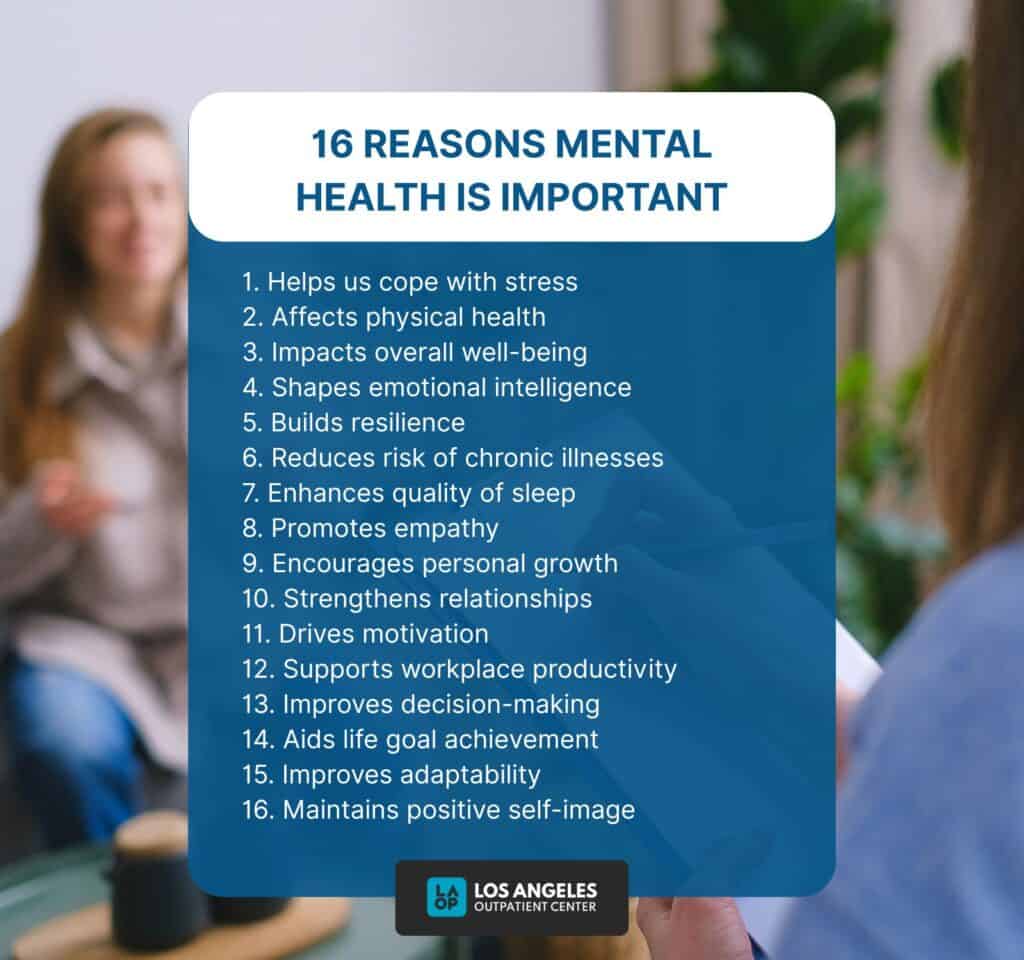
Empowering the Mind through Positive Affirmations
Understanding the significance of positive affirmations in the context of emotional resilience is vital for anyone looking to manage stress effectively. By reshaping our inner dialogue, affirmations serve as a mental toolkit, reinforcing a more constructive and resilient mindset. The empowerment comes not only from the statements themselves but also from the consistent practice that fosters a deep-seated belief in one’s capabilities.
The Science Behind Positive Affirmations
Research has shown that the practice of positive affirmations activates the brain’s reward center, leading to feelings of positivity and increased motivation. According to a study published in the journal *Psychological Science*, participants who engaged in self-affirmation tasks exhibited lower levels of stress and enhanced problem-solving abilities. Moreover, by counteracting damaging self-talk, affirmations can facilitate neuroplasticity—essentially rewiring the brain to be more resilient in the face of challenges.
Furthermore, affirmations help to cultivate a growth mindset. This term, popularized by psychologist Carol Dweck, refers to the belief that abilities and intelligence can be developed through dedication and hard work. When individuals embrace affirmations such as “I learn and grow from every challenge,” they are more likely to persist through adversity, viewing difficulties as opportunities for development rather than insurmountable hurdles.
Integrating Affirmations into Daily Life
Incorporating positive affirmations into daily routines can be a straightforward yet impactful practice. Here are some effective ways to integrate them into your life:
- Morning Ritual: Start each day by reciting affirmations in front of a mirror. This practice not only sets a positive tone for the day but also reinforces self-acceptance and positivity.
- Journaling: Dedicate a section of your journal to writing affirmations. Reflecting on these statements can deepen their impact and serve as a reminder during stressful moments.
- Visualization Techniques: Pair affirmations with visualization exercises. For instance, envisioning yourself succeeding while affirming “I am confident and capable” can create a powerful mental image that boosts motivation.
- Mindfulness and Meditation: Incorporate affirmations into mindfulness practices. This can help ground you in the present moment while fostering a sense of inner peace.
By embedding affirmations into your daily life, you lay the groundwork for sustained emotional resilience. It is through consistency and intention that the transformative power of these statements is unleashed, enabling individuals to tackle stress head-on with confidence and grace.
As we continue to explore the multifaceted nature of positive affirmations, we will uncover additional strategies and insights to further enhance one’s emotional resilience, setting the stage for a more fulfilling and less stressful life.
The Role of Positive Affirmations in Building Emotional Resilience Against Stress
Positive affirmations are indispensable tools in fostering emotional resilience, particularly in today’s fast-paced and often overwhelming environments. They involve the practice of consciously reinforcing positive beliefs about oneself, which can profoundly influence emotional health and overall well-being. One of the most significant advantages of employing positive affirmations is their ability to shift the mind’s focus from negative thought patterns to positive ones. This shift is crucial in combatting stress, as stress often arises from negative self-perception or overwhelming challenges. For instance, affirming phrases like “I am capable and resilient” or “I handle challenges with grace” can instill a sense of empowerment during stressful situations. This practice not only enhances self-esteem but also establishes a mindset focused on growth and resilience, enabling individuals to navigate life’s difficulties more effectively.Furthermore, engaging with positive affirmations can lead to substantial psychological shifts. Studies have shown that regularly repeating positive statements encourages the brain to form new pathways associated with resilience. This cognitive reframing is akin to training the mind; just as muscle memory strengthens through repetition, so too can mental fortitude be fortified through consistent, constructive self-talk. It allows individuals to mitigate feelings of helplessness, fostering an enduring sense of control over their lives.In addition to cultivating an optimistic outlook, positive affirmations can also encourage proactive behaviors. Those who embrace empowering statements are more likely to take adaptive actions rather than succumbing to feelings of defeat. They are inspired to seek solutions and pursue goals actively, which not only bolsters resilience but also diminishes stress levels over time.To fully harness the potential of positive affirmations in enhancing emotional resilience against stress, it is vital to incorporate them into daily routines. This can be achieved via morning rituals or reflective journaling practices that include positive statements as a form of self-acknowledgment. By integrating these affirmations into one’s life, individuals can create a supportive environment where resilience thrives amidst challenges. In conclusion, it becomes clear that the application of positive affirmations is a powerful method in the quest for emotional resilience. As people become increasingly aware of their thoughts and beliefs, they can regain control over their emotional responses and significantly mitigate the impact of stress in their lives.
| Category | Benefits |
|---|---|
| Cognitive Restructuring | Helps in transitioning from negative thoughts to positive beliefs, enhancing one’s mental state. |
| Motivation Enhancement | Encourages proactive behaviors and a proactive approach towards stress management and daily challenges. |
Transforming Self-Perception through Affirmations
The impact of positive affirmations extends beyond momentary boosts in mood; they fundamentally reshape how individuals perceive themselves and their capabilities. This self-perception is crucial in developing emotional resilience. When people affirm their strengths and potential, they cultivate a sense of self-worth that acts as a buffer against stress. For instance, research highlighted in the *Journal of Personality and Social Psychology* indicates that when individuals repeatedly engage in affirmations, they begin to internalize these positive beliefs, thus reducing anxiety and promoting self-efficacy, particularly in high-pressure situations.
Addressing Negative Thoughts
Negative thoughts can be pervasive and debilitating, often hindering personal growth and resilience. Fortunately, positive affirmations serve as an antidote to this negativity. By consciously replacing harmful self-talk with affirmations like “I am resilient and capable of overcoming challenges,” individuals can create a mental environment conducive to growth. Cognitive Behavioral Therapy (CBT), a commonly adopted therapeutic approach in the United States, underscores this principle by encouraging patients to identify and reframe their negative thought patterns. Incorporating positive affirmations into daily CBT practices can further enhance efficacy by fortifying the cognitive shifts required for emotional resilience.
Building a Supportive Community
Though positive affirmations can be a personal endeavor, sharing these affirmations within supportive communities can amplify their effectiveness. Social interactions significantly influence emotional resilience; a study published in *Personality and Social Psychology Bulletin* reveals that individuals who engage in affirmations within groups experience a greater reduction in stress and increased feelings of belonging. For example, support groups centered on personal development or mental health may encourage members to share and recite affirmations collectively, thus fostering a supportive atmosphere that reinforces resilience.
- Group Affirmation Sessions: Consider participating in or organizing group sessions where members can share affirmations. This not only enhances personal conviction but also builds a collective spirit of resilience.
- Online Communities: Join online forums or social media groups focusing on self-improvement. Regularly participating in discussions about affirmations can inspire others and provide accountability.
- Accountability Partners: Connect with a friend or colleague who shares an interest in building resilience. Regularly check in with each other on affirmation practices, creating a support system that encourages growth.
Moreover, the integration of technology in our daily lives offers unique avenues for incorporating positive affirmations. Mobile applications dedicated to mental wellness often feature affirmation reminders, fostering consistent practice and keeping positivity at the forefront of daily activities. Research suggests that utilizing such tools can significantly enhance mental health outcomes, particularly for busy individuals seeking effective ways to manage stress in a fast-paced environment.
The Role of Cultural Influences
In the diverse landscape of the United States, cultural influences can significantly shape how individuals perceive and implement positive affirmations. Different communities may have unique approaches to self-affirmation, drawing from cultural norms and values. For instance, in collectivist cultures, affirmations may focus on community and familial support, such as “We are strong together,” while individualistic cultures might emphasize personal achievement. Understanding these cultural dimensions can enrich one’s affirmation practice and provide a broader context for emotional resilience.
As we delve deeper into the myriad ways positive affirmations can foster emotional resilience, it becomes increasingly clear that the journey to managing stress is not merely about individual practices but also about understanding the broader social and cultural factors that influence our experiences.
Conclusion: The Transformative Power of Positive Affirmations
In conclusion, the exploration of positive affirmations reveals their significant role in fostering emotional resilience against stress. By reshaping self-perception and combating negative thoughts, affirmations serve as critical tools for individuals seeking to enhance their mental well-being. The practice of affirming one’s strengths leads to an internalized sense of self-worth, which is vital for navigating challenging situations effectively.
Moreover, the communal aspect of affirmations amplifies their effectiveness. Engaging with supportive communities allows individuals to experience shared empowerment, reinforcing the positive effects of affirmations. The rise of technology, particularly mobile applications, has further democratized access to affirmation practices, making it easier than ever to integrate positivity into one’s daily routine.
Understanding the cultural nuances surrounding affirmations also enriches this practice, ensuring that individuals can tailor their approaches to reflect their backgrounds and values. As we move forward in an increasingly stressful world, harnessing the power of positive affirmations could offer a pathway to enhanced resilience and emotional stability.
Ultimately, positive affirmations are not just fleeting words of encouragement; they represent a profound shift in mental landscape, inviting deeper exploration and commitment. As we commit to nurturing our emotional resilience through positive affirmations and supportive connections, we pave the way for a healthier, more balanced life, effectively combating the stresses that inevitably arise.