Creating a Mood Board: Visualizing Mental Well-Being
A Creative Outlet for Emotional Exploration
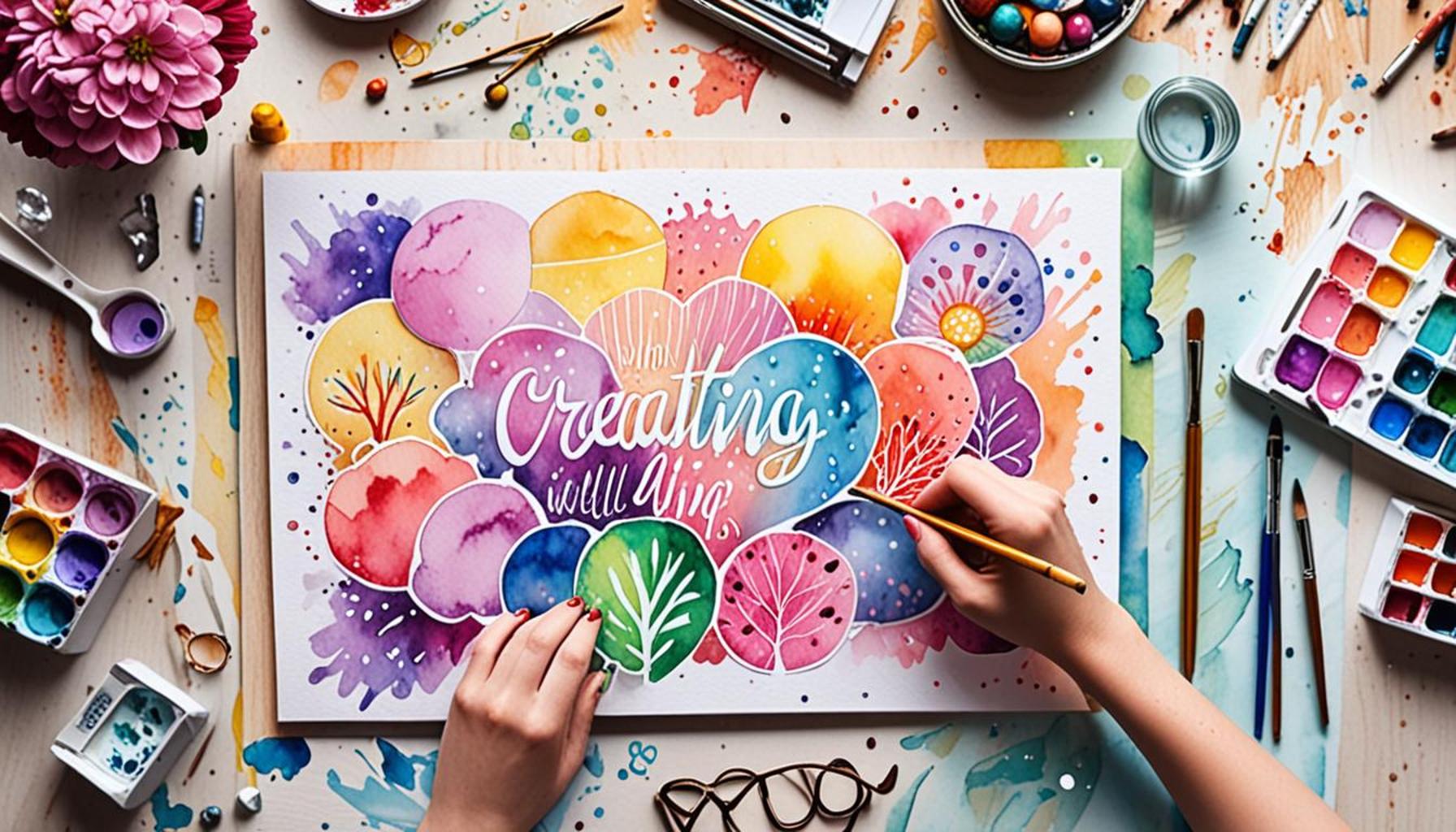
Creating a mood board is more than just an artistic endeavor; it is a powerful tool for visualizing and nurturing mental well-being. This creative process allows individuals to capture their thoughts, emotions, and aspirations, transforming them into tangible visuals that represent their mental landscape. By integrating images, colors, words, and textures that resonate with one’s emotional state, mood boards become a reflection of both current feelings and future aspirations.
So, why should you consider making a mood board? Here are a few compelling reasons:
- Enhance Self-Awareness: Mood boards encourage reflection on personal values and desires. For instance, while creating a mood board for a future career, you may find quotes or imagery that align with your professional aspirations, leading to deeper insights about what truly drives you.
- Reduce Stress: Visual creativity serves as a distraction, promoting relaxation. Engaging in the tactile process of cutting, gluing, and arranging elements can help to diffuse anxiety. For example, turning off your phone and dedicating an hour to crafting a mood board can become a meditative practice.
- Boost Motivation: By seeing your goals represented visually, you’re more inspired to pursue them. Research indicates that visual reminders of our ambitions can significantly increase the likelihood of achieving them. A mood board that symbolizes a fit and healthy lifestyle might include images of outdoor activities, nutritious foods, and inspiring quotes to help you stay committed.
Whether you are seeking clarity, dealing with anxiety, or simply wanting to manifest positivity, a mood board can serve as a visual manifestation of your intentions. By gathering images that evoke feelings of calm or joy, you create an accessible reminder of what brings you peace and happiness in daily life. It opens pathways to understanding and managing your mental state more effectively.
In the age of information overload, taking the time to create a physical or digital representation of your feelings can be grounding. Academic studies suggest that engaging in visual arts can lower stress levels and improve cognitive function. A mood board fosters creativity and helps anchor your thoughts into something manageable and organized, acting as a guidepost during times of uncertainty.
Discover how the art of visualization through mood boards can promote mental well-being. With tools like magazines, scissors, and a canvas—be it digital platforms like Pinterest or traditional corkboards—you can embark on a journey to enhance your emotional health and overall happiness. Set aside a dedicated time each week to revisit or revise your board, allowing it to evolve with you. In this way, you will find that your mood board becomes more than just art; it transforms into a personal manifesto, a source of inspiration, and a practical tool for navigating the complexities of daily life.
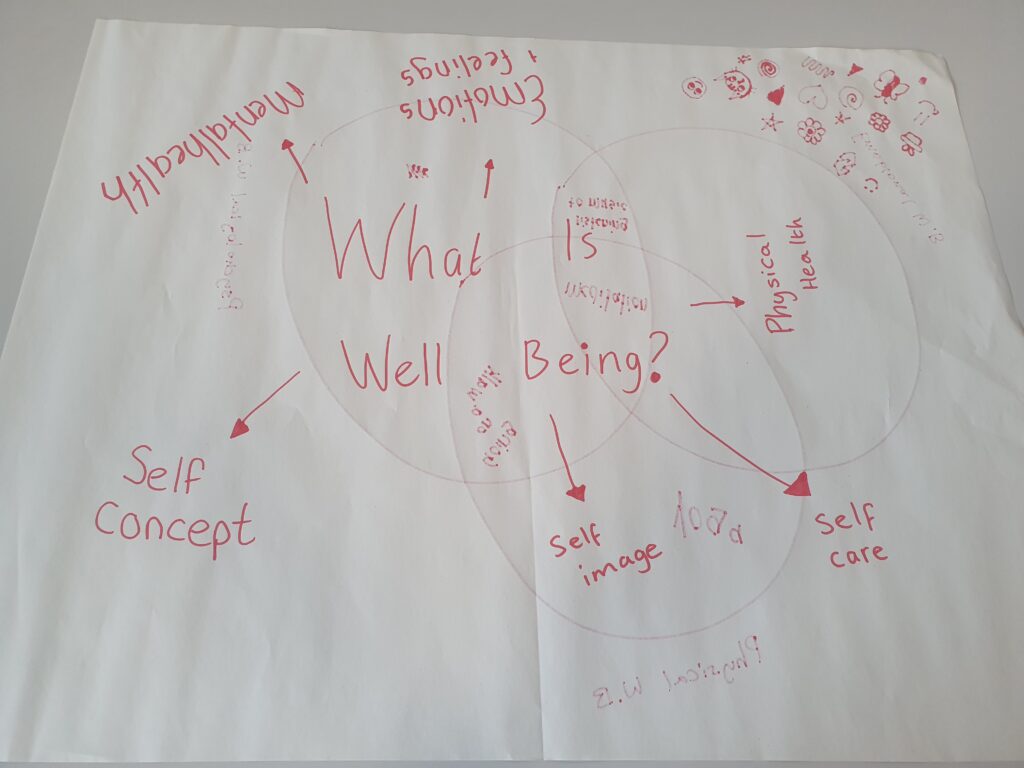
The Transformative Power of Visualization
Creating a mood board is a captivating way to articulate abstract feelings and thoughts through visual elements. At its core, this practice allows individuals to gather inspiration, enabling them to explore their emotions in a structured yet creative manner. It serves as an invitation to engage with one’s self on a deeper level, offering clarity during turbulent times. Beyond just a collage of images, a mood board embodies a personal narrative, intertwining the elements of visual artistry with mental health management.
Research has shown that engaging in creative activities can foster therapeutic outcomes. For instance, a study published in the Journal of Positive Psychology highlighted that individuals who participated in creative endeavors, like crafting mood boards, reported higher levels of emotional well-being and resilience. This correlation suggests that the act of visualization itself can be healing, prompting a reduction in negative thoughts and encouraging a more positive outlook on life.
As you embark on your own mood board journey, consider the following steps to maximize its impact on your mental well-being:
- Set a Clear Intention: Before you begin, take a moment to reflect on what you hope to achieve with your mood board. Are you looking to combat feelings of anxiety, foster inspiration, or envision your future? Defining an intention will guide your selection process.
- Collect Meaningful Imagery: Gather images, quotes, and textures that resonate deeply with you. These can be drawn from magazines, digital sources, or your own photographs. Choose elements that evoke specific feelings or memories, allowing each piece to contribute to your narrative.
- Curate with Care: As you assemble your board, pay attention to the colors, shapes, and arrangements. Colors can evoke different emotions; for example, calming blues and greens might represent serenity, while vibrant yellows can denote joy. Mindfully curating these elements enhances their significance in representing your mental state.
- Personalize Your Board: Incorporate words or phrases that carry meaning for you. Affirmative statements and powerful quotes can serve as daily reminders to stay focused on your goals. The act of personalization transforms your board into a unique reflection of your thoughts and aspirations.
Furthermore, the act of regularly revisiting and updating your mood board can provide ongoing benefits. Just as feelings and circumstances evolve, so too can your visual representation of mental well-being. By allowing yourself the space to adjust and grow, your mood board becomes not just a static depiction but a dynamic reflection of your emotional journey.
As you connect these visual elements in a meaningful way, you may find that the clarity offered by your mood board helps you navigate not only your current feelings but also future challenges. With each image and word symbolizing a piece of your inner world, you create an accessible roadmap to emotional understanding and growth.
| Advantage | Description |
|---|---|
| Enhanced Self-Expression | Creating a mood board allows individuals to visually communicate their thoughts and emotions, fostering a deeper connection with their mental well-being. |
| Clarity of Goals | By compiling images and ideas, mood boards help clarify personal aspirations and mental health objectives, making them easier to pursue. |
| Stress Relief | Engaging in the creative process of mood boarding can serve as a therapeutic outlet, reducing stress and promoting relaxation. |
| Visual Inspiration | Mood boards offer a diverse range of visual stimuli that can inspire new ideas and positive perspectives on mental wellness. |
Using mood boards, individuals can discover a unique artistic expression that intertwines with their mental health journey, allowing for a transformative exploration of their feelings and goals. This creative tool not only provides visualization but also becomes a source of motivation to achieve mental well-being. The act of selecting images, colors, and quotes can significantly uplift moods and provide refreshing perspectives on everyday challenges. Delving into this process encourages personal reflection and can lead to profound insights about one’s emotional landscape. As you navigate through the various techniques and elements of creating a mood board, remember to focus on what truly resonates with your inner self. Embrace the beauty of visualizing well-being through creativity.
Enhancing Self-Awareness through Reflection
Creating a mood board is more than just an artistic outlet; it serves as a tool for enhancing self-awareness. Through the act of selecting and organizing visuals, individuals engage in a reflective process that can deepen their understanding of themselves and their mental states. In a survey conducted by the American Psychological Association, around 70% of respondents indicated that finding creative ways to express emotions led to improved self-knowledge and acceptance. This statistic showcases the significant role that creativity plays in mental health maintenance.
One of the most profound aspects of creating a mood board is its ability to unveil hidden emotions. As you curate your selection, consider how certain images resonate with you on a subconscious level. For example, a serene landscape may remind you of a peaceful childhood moment, while a powerful quote might evoke a sense of motivation that has been previously buried. These connections can reveal underlying feelings and desires that may require attention in your mental wellness journey.
Furthermore, mood boards provide an opportunity for mindful introspection. By regularly engaging with your board, you can track changes in your emotional landscape over time. This temporal aspect allows for a form of emotional literacy, enabling you to identify recurring themes or patterns in your mental well-being. For individuals struggling with anxiety or depression, recognizing trends in emotions can be especially vital, as it equips them with insights that may guide their coping strategies.
To deepen your experience with mood boarding and promote ongoing reflection, consider these additional approaches:
- Journal Your Thoughts: Alongside creating your mood board, maintain a journal where you describe your feelings about the imagery. This combination of visual and verbal expression amplifies the reflective process, fostering an even greater understanding of your emotional state.
- Schedule Check-ins: Plan regular intervals to revisit your mood board. Reflect on how your feelings may have shifted since the last review, and adjust the board accordingly. This regular engagement can serve as a vital feedback loop in your emotional awareness.
- Share and Discuss: Consider sharing your mood board with a trusted friend or therapist. Publicly expressing your thoughts can elicit valuable insights and encouragement, enhancing your understanding and providing another layer of support.
Incorporating elements of mindfulness into the mood board process not only enriches the experience but may also fortify its benefits for mental well-being. For instance, pairing visualization with deep breathing exercises as you create or review your board can ground you in the present moment, allowing you to engage with your emotions more fully. A study in the journal Mindfulness suggests that integrating mindfulness practices into creative activities can significantly increase emotional clarity and well-being.
Ultimately, navigating the journey of emotional health through a mood board involves more than merely collecting visuals; it encompasses a profound connection to one’s inner self. By utilizing this creative modality, individuals facilitate a deeper dialogue with themselves, leading to greater self-awareness and, subsequently, improved mental well-being.
Conclusion: The Transformative Power of Mood Boards
In an era where mental well-being is increasingly prioritized, creating a mood board emerges as a compelling method for individuals to engage with their emotions and enhance self-awareness. This unique blend of creativity and introspection not only facilitates emotional expression but also provides a visual roadmap for personal growth. By curating imagery that resonates with their feelings, individuals can uncover hidden emotions and gain insights into their mental states, enabling a deeper understanding of their journeys.
The benefits of mood boards extend beyond individual reflection. When shared with trusted friends or mental health professionals, these visual compositions can foster important conversations about emotional wellness. Furthermore, incorporating mindfulness practices during the mood board process amplifies its therapeutic effects, allowing for a richer emotional experience that resonates at a deeper level. The synergy between art and mental health is undeniable, as studies highlight that expressive activities like mood boarding can lead to significant emotional clarity and improved mental health outcomes.
Ultimately, mood boards provide a unique and empowering avenue for individuals seeking to visualize their mental well-being. As you embark on your own mood boarding journey, remember to fully immerse yourself in the process; treat it as a canvas of your emotional landscape. By doing so, you not only cultivate a deeper connection with yourself but also equip yourself with the tools necessary to navigate the complexities of your emotional world. As you continue this journey, embrace the insights you discover along the way—it may just illuminate your path to greater mental well-being.